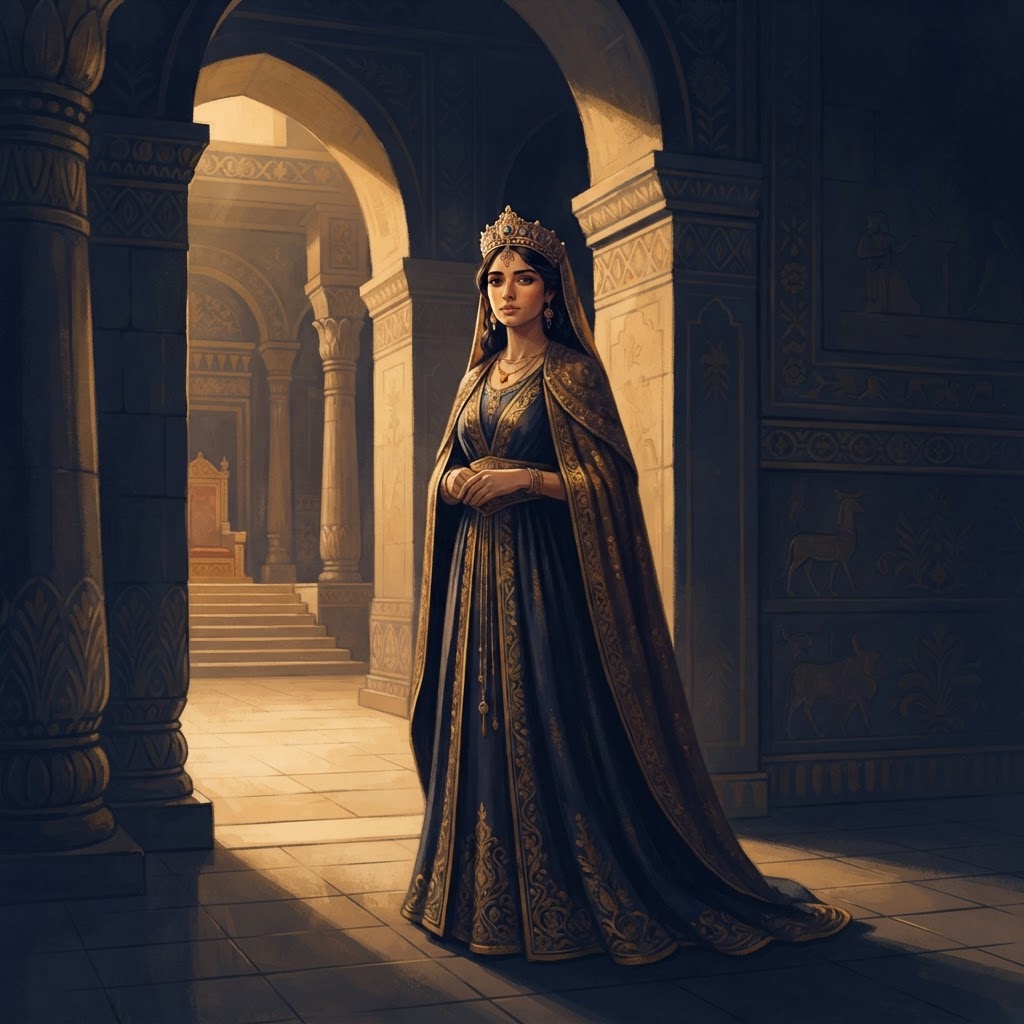
The Book of Esther is unique in Scripture: God's name is never mentioned. Yet His providence is on every page. Set during the Persian period (c. 483-473 BC), during the exile of the Jewish people, it tells the story of how a plot to annihilate the Jews was thwarted through the courage of one woman.
When Queen Vashti refused to appear before King Xerxes, a search was made for a new queen. Esther — a young Jewish orphan raised by her cousin Mordecai — was taken to the palace. Her Jewish identity was hidden. 'The king loved Esther more than all the women... and he made her queen' (Esther 2:17).
Meanwhile, the king's advisor Haman — an Agagite — plotted to destroy all Jews because Mordecai refused to bow to him. He cast lots (purim) to determine the date and convinced the king to issue an irrevocable decree of genocide.
Mordecai sent a message to Esther: 'Who knows whether you have not come to the kingdom for such a time as this?' (Esther 4:14). Esther faced an impossible choice: approach the king uninvited (punishable by death) or let her people perish. She asked Mordecai to gather the Jews to fast for three days, then said: 'If I perish, I perish' (Esther 4:16). She went to the king, found favor, exposed Haman's plot, and secured the survival of her people.