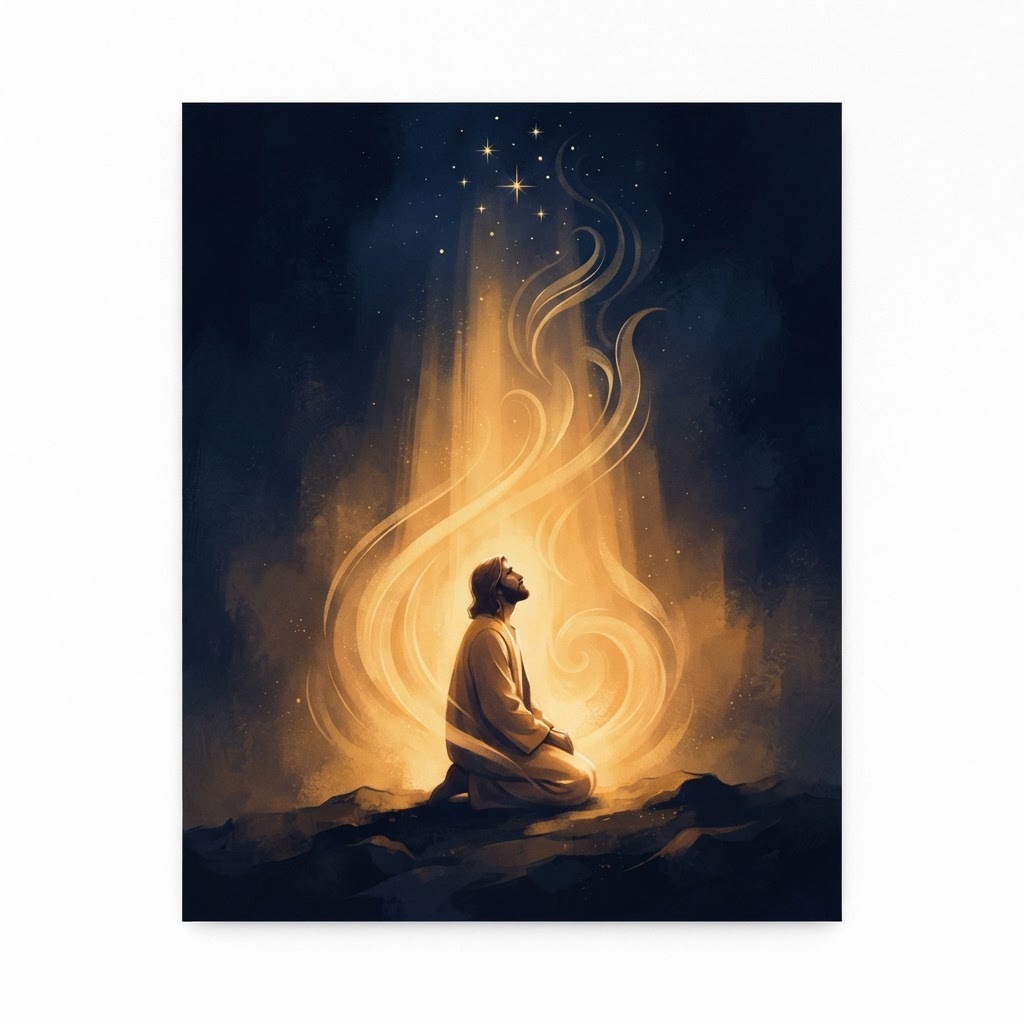
Amazing Grace: Unmerited, Unending, Transforming
GraceThroughout Scripture

Amazing Grace: Unmerited, Unending, Transforming

Grace is God's favor poured out on the undeserving — the heartbeat of the gospel and the most revolutionary concept in human history.

6 min read
Share

The Biblical Account

Grace (charis in Greek) is God's unmerited favor — His goodness given freely to those who deserve the opposite. It is the defining mark of the Christian faith. 'For by grace you have been saved through faith. And this is not your own doing; it is the gift of God, not a result of works, so that no one may boast' (Ephesians 2:8-9).

Grace appears from the opening pages of Scripture. When Adam and Eve sinned, God could have destroyed them — but He clothed them and promised a Redeemer (Genesis 3:15, 21). When Israel rebelled in the wilderness, God disciplined them but did not abandon them. 'The LORD, the LORD, a God merciful and gracious, slow to anger, and abounding in steadfast love and faithfulness' (Exodus 34:6).

Grace is fully revealed in Jesus Christ. 'The law was given through Moses; grace and truth came through Jesus Christ' (John 1:17). In Christ, we see grace embodied: He ate with sinners, forgave adulterers, touched lepers, welcomed outcasts.

The cross is grace's ultimate demonstration: 'While we were still weak, at the right time Christ died for the ungodly... God shows his love for us in that while we were still sinners, Christ died for us' (Romans 5:6, 8). We didn't earn it. We didn't deserve it. We couldn't repay it. Grace is entirely, exclusively, unconditionally free.

And grace doesn't just save — it transforms: 'The grace of God has appeared, bringing salvation for all people, training us to renounce ungodliness and worldly passions, and to live self-controlled, upright, and godly lives' (Titus 2:11-12).

The World at That Time

The concept of grace was as revolutionary in the ancient world as it is today. Ancient religions operated on a transactional model: you offer sacrifices, perform rituals, live morally, and the gods respond with favor. Grace — unmerited favor — was inconceivable.

The first-century Jewish context was shaped by the law. Righteousness was understood (by some) as something earned through obedience to Torah. Paul, a Pharisee of Pharisees, had pursued righteousness through the law — only to discover it was impossible. 'For by works of the law no human being will be justified in his sight, since through the law comes knowledge of sin' (Romans 3:20).

The Protestant Reformation of the 16th century was sparked by a recovery of this truth. Martin Luther's breakthrough came from Romans 1:17: 'The righteous shall live by faith.' He discovered that righteousness is not earned but received — by grace through faith.

The hymn 'Amazing Grace' (1772), written by John Newton — a former slave trader who experienced radical conversion — captures the personal power of grace: 'Amazing grace, how sweet the sound, that saved a wretch like me.' Newton knew that grace is not a theological abstraction; it is the life-changing encounter with a God who loves us at our worst.

Faith Reflection

Grace is the hardest thing for the human heart to truly believe. We want to earn. We want to deserve. We want to boast. Grace strips all of that away. It says: you cannot earn what God freely gives. You cannot deserve what Christ has already purchased. You cannot add to what is already complete.

This is offensive to our pride. We would rather be self-made than grace-made. We would rather be debtors than beggars. But grace leaves no room for boasting. 'Where is boasting then? It is excluded' (Romans 3:27). The ground is level at the foot of the cross.

But grace is also the most liberating truth ever spoken. If you cannot earn God's love, you cannot lose it. If you did not deserve it when you received it, your failures cannot undo it. Grace means your worst sin cannot outrun God's love. Your deepest failure cannot exhaust His mercy.

And grace transforms. Not because we are trying harder, but because we are loved deeper. 'We love because he first loved us' (1 John 4:19). The more we grasp how much we've been forgiven, the more we love, the more we give, the more we live.

Amazing grace. How sweet the sound.

Scripture Reference

Ephesians 2:8-9; Romans 3:24, 5:6-8; John 1:17; Titus 2:11-12

“Your word is a lamp to my feet and a light to my path.” — Psalm 119:105