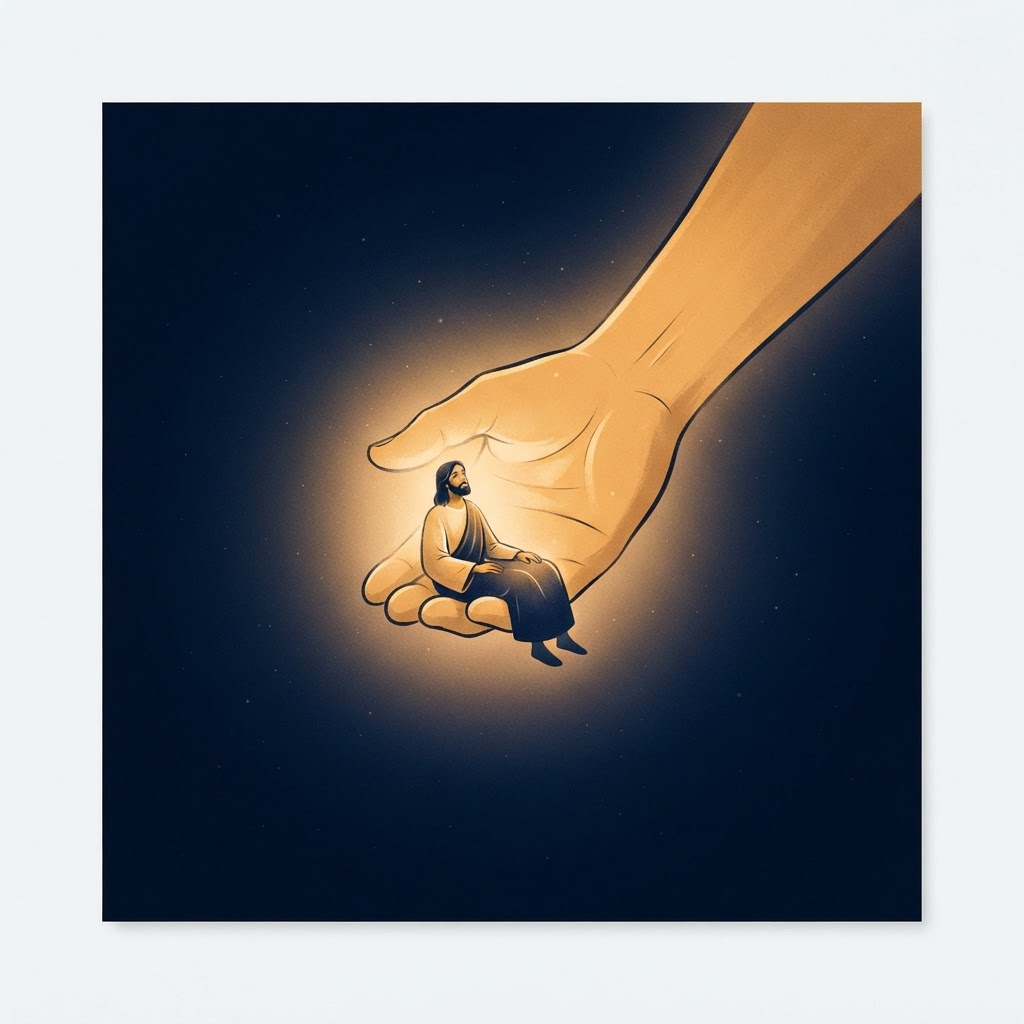
John 3:16 is the gospel in miniature: 'For God so loved the world, that he gave his only Son, that whoever believes in him should not perish but have eternal life.' These words, spoken by Jesus to Nicodemus, contain the entire story of redemption.
The source: 'God so loved.' Love is not just something God does — it is who God is. 'Anyone who does not love does not know God, because God is love' (1 John 4:8). God's love is not a reaction to our worthiness; it is the overflow of His character. 'In this is love, not that we have loved God but that he loved us and sent his Son to be the propitiation for our sins' (1 John 4:10).
The scope: 'the world.' Not just the worthy, not just the righteous, not just Israel — the world. 'God shows his love for us in that while we were still sinners, Christ died for us' (Romans 5:8). God's love is universal in its offer: 'whoever believes in him.' No qualification. No exclusion. Whoever.
The sacrifice: 'he gave his only Son.' Love gives. Love sacrifices. 'In this the love of God was made manifest among us, that God sent his only Son into the world, so that we might live through him' (1 John 4:9). The cross is love's cost — God giving what was most precious to redeem what was most rebellious.
The response: 'whoever believes in him.' Love demands a response. Not works. Not merit. Belief — trust, reliance, surrender. 'For God did not send his Son into the world to condemn the world, but in order that the world might be saved through him' (John 3:17).
The result: 'should not perish but have eternal life.' Love rescues. Love restores. Love gives life that begins now and lasts forever. Eternal life is not just length of days — it is quality of relationship: 'this is eternal life, that they know you, the only true God, and Jesus Christ whom you have sent' (John 17:3).