The Silent Vow of the Nazarite: Devotion Beyond Norms
NumbersMosaic Law

The Silent Vow of the Nazarite: Devotion Beyond Norms

Explore the unique life of the Nazarite, a person set apart by a specific vow of consecration to God. Discover how this radical commitment transformed ordinary Israelites into living symbols of holiness.

4 min read
Share

The Biblical Account

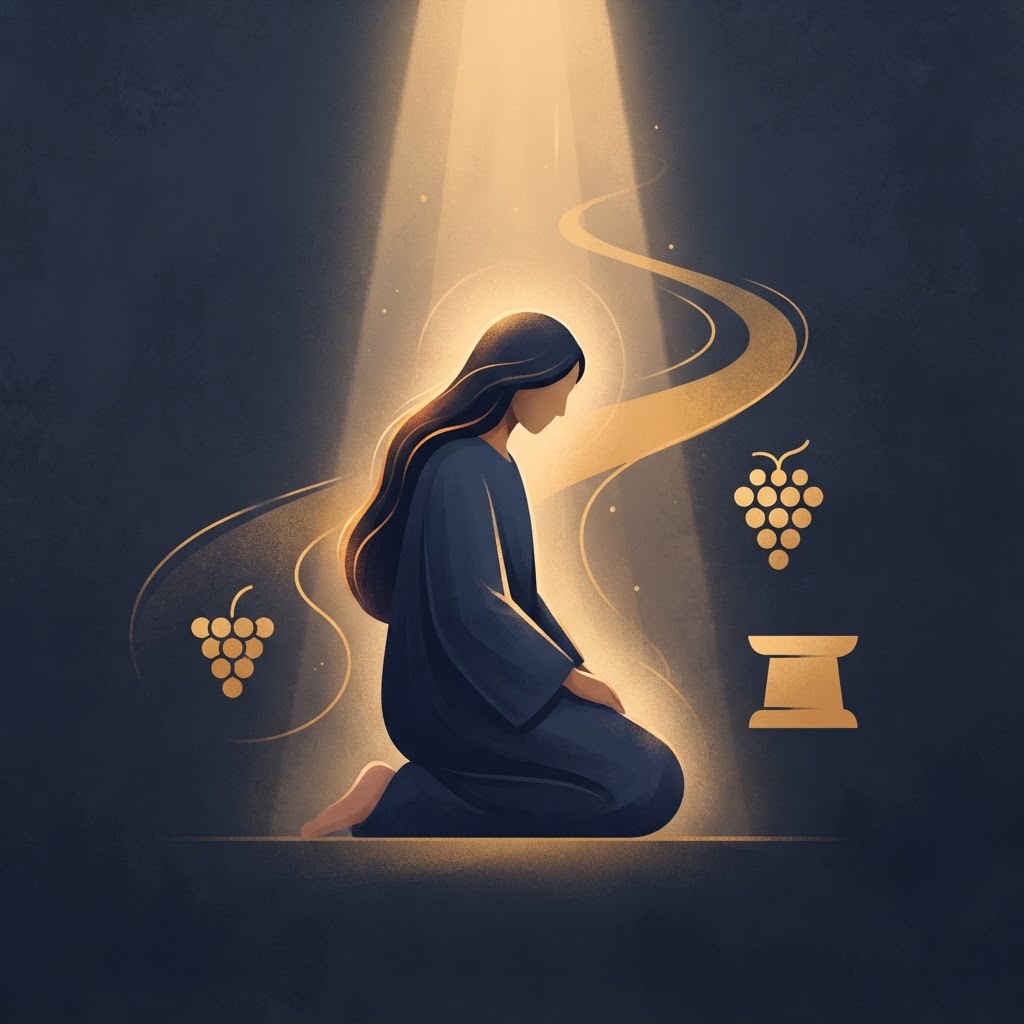
The Law of the Nazarite, found in Numbers 6, describes a voluntary vow that anyone—man or woman—could take to separate themselves to the Lord. The vow required three primary commitments: abstaining from wine or fermented drink, never cutting their hair, and avoiding contact with any corpse, even that of a family member.

This separation was not a sign of moral superiority, but a deliberate dedication of one's entire existence to the service of God. The uncut hair acted as a visible 'crown' of their dedication to the Lord, serving as an outward sign of an internal, invisible reality of belonging solely to Him.

When the period of the vow concluded, the individual would offer specific sacrifices at the tent of meeting. The hair of their head, once their symbol of dedication, would be shaved off and burned with the peace offering, signifying the completion of their set-apart season.

The World at That Time

In ancient Israelite society, hair was a significant cultural marker of health, vitality, and social status. To go long periods without cutting it was physically cumbersome and made an individual stand out prominently in a community that valued order and grooming.

Furthermore, the prohibition against touching a corpse held profound weight in the ancient Near East. Death was considered a source of ritual impurity. By strictly avoiding the dead, the Nazarite lived in a state of heightened ritual purity that mirrored the holiness of the priesthood, yet they lived this out in secular, daily society.

This practice demonstrates that one did not need to be born into the priestly tribe of Levi to live a life intensely devoted to God. It provided a framework for laypeople to pursue a higher level of sanctity through individual discipline and divine covenant.

Faith Reflection

We may not be called to grow our hair or take an ancient vow, but we are all called to be 'set apart' in a world that often demands we conform. This ancient practice reminds us that intentionality in our faith—choosing to say 'no' to certain distractions—can help us say a louder 'yes' to God.

Consider what in your own life might need to be 'set apart.' It is not about the outward appearance, but the posture of the heart that says, 'I belong to You above all else.'

Scripture Reference

Numbers 6:1-21

More in Numbers

“Your word is a lamp to my feet and a light to my path.” — Psalm 119:105